
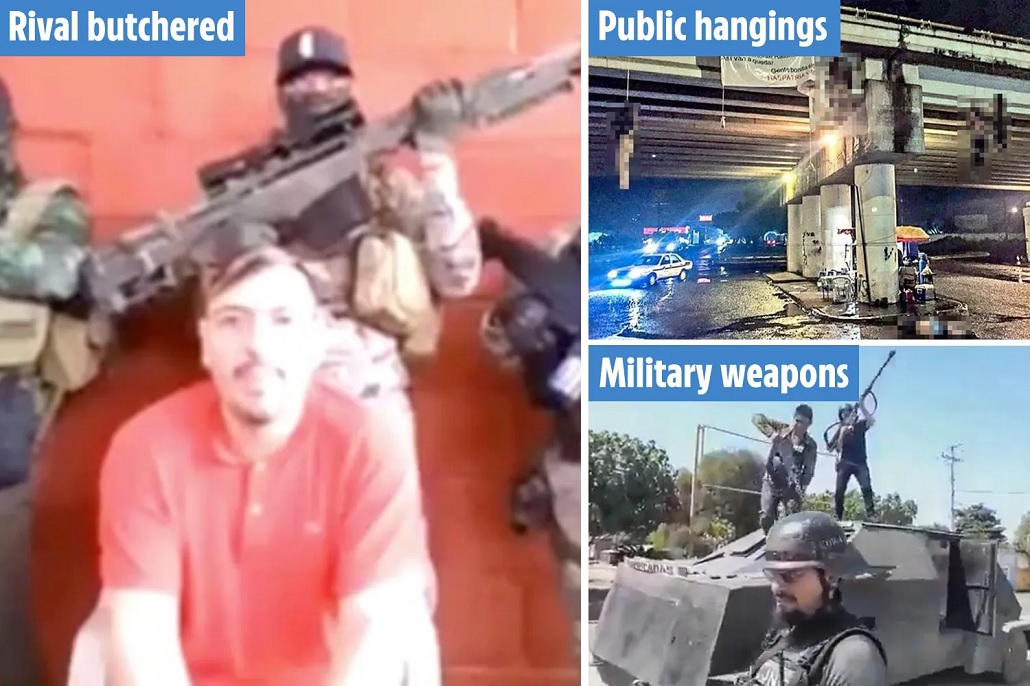
Warning: Graphic content, readers’ discretion advised. This story contains a recollection of crime and can be triggering to some readers discretion advised.
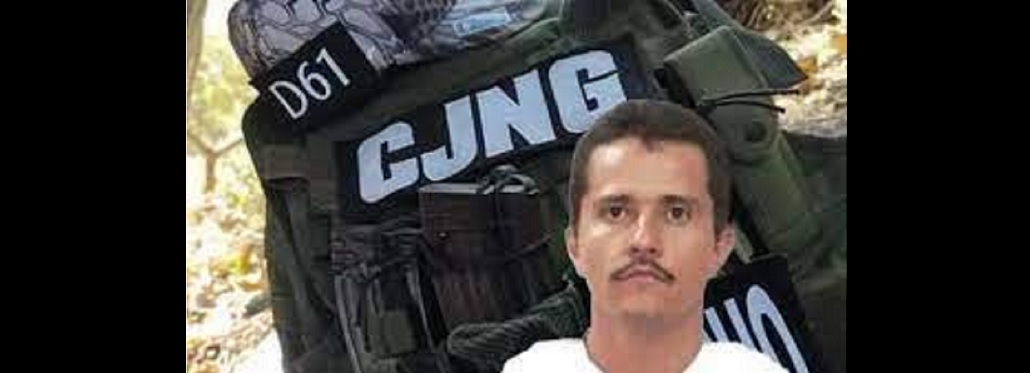
Jalisco New Generation Cartel (CJNG). Emerged ~2009; grew fast into a national — and global — trafficking network.
The cartel is widely identified with Nemesio Rubén “El Mencho” Oseguera Cervantes, who is considered the CJNG’s founder and principal leader. He is one of Mexico’s most-wanted fugitives and the subject of major international investigations.
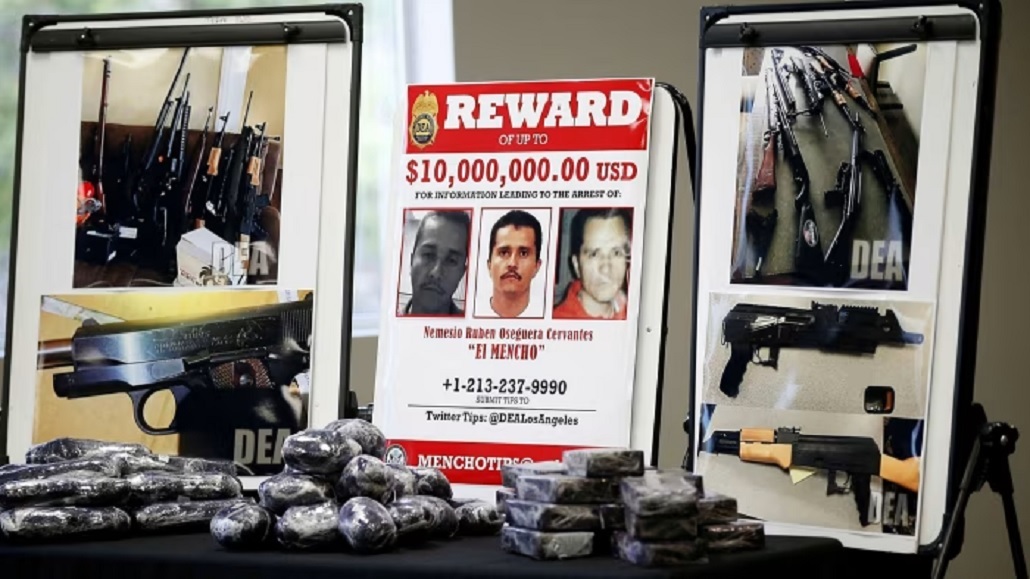
CJNG trafficks fentanyl and its precursors, methamphetamine, cocaine, heroin and counterfeit pills — with fentanyl production and pill distribution a major revenue stream in recent years. U.S. and international law-enforcement describe them as one of the largest suppliers of illicit fentanyl bound for the U.S. market.
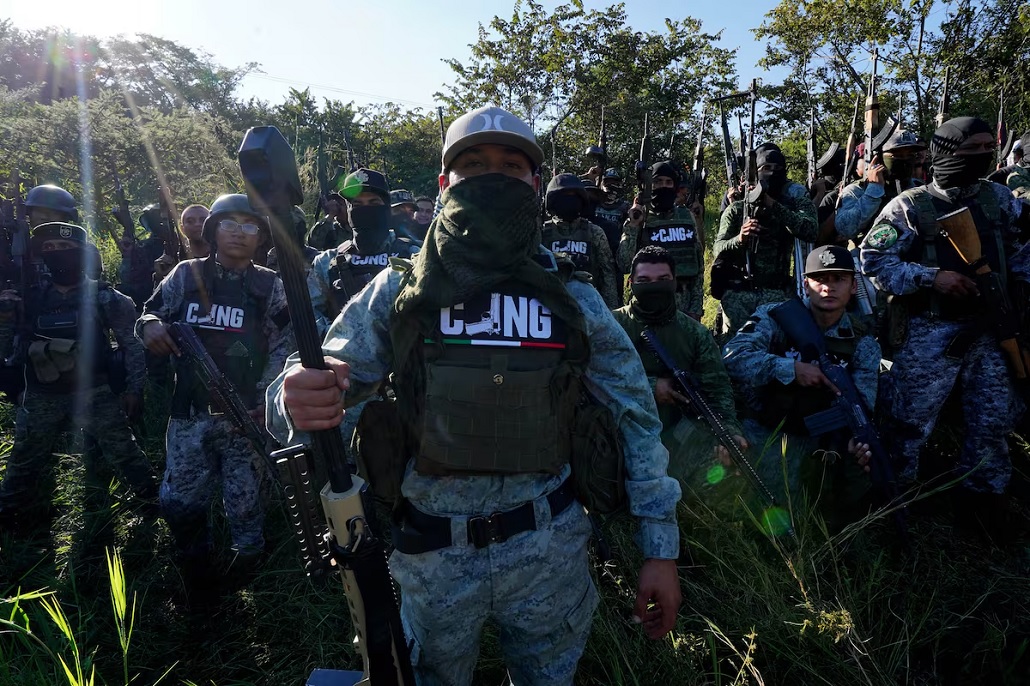
CJNG is highly militarized compared with many older cartels: organized cells, paramilitary-style units, weapons training and a reputation for extreme violence and territorial offensives. Analysts call it one of the most heavily armed and operationally capable cartels in Mexico.
The cartel uses sophisticated laundering (real estate, shell companies, cross-border transfers). U.S. prosecutions and sanctions in recent years have targeted both leadership and the cartel’s financial networks. High-ranking associates and family members have been arrested or pleaded guilty in U.S. courts for money-laundering and trafficking.
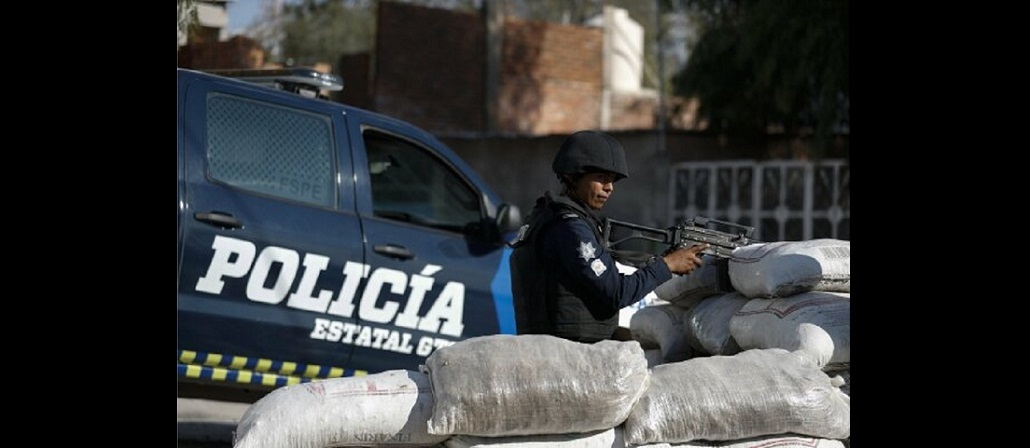
The U.S. Treasury and other agencies have imposed sanctions on CJNG leaders; U.S. prosecutions have led to long prison sentences for key operatives. The cartel has also been designated by some U.S. authorities in ways that expand tools for targeting their finances and facilitators.
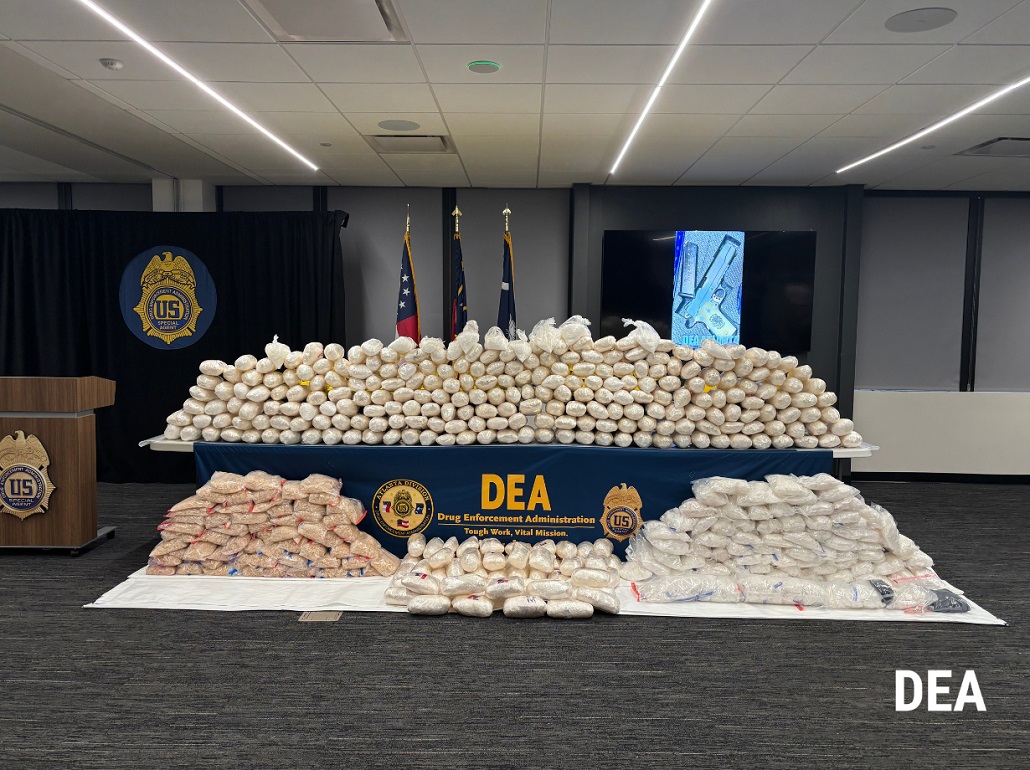
Rapid nationwide expansion since 2009, control of important trafficking routes, dominance of synthetic-opioid (fentanyl) supply chains, paramilitary capacity, and sophisticated money-laundering operations combine to make CJNG the organization most often labeled “Mexico’s most powerful cartel” by governments and analysts.
Contrast: the Sinaloa Cartel remains enormously influential, and internal fractures there have shifted the balance of power in parts of Mexico — the landscape is fluid.
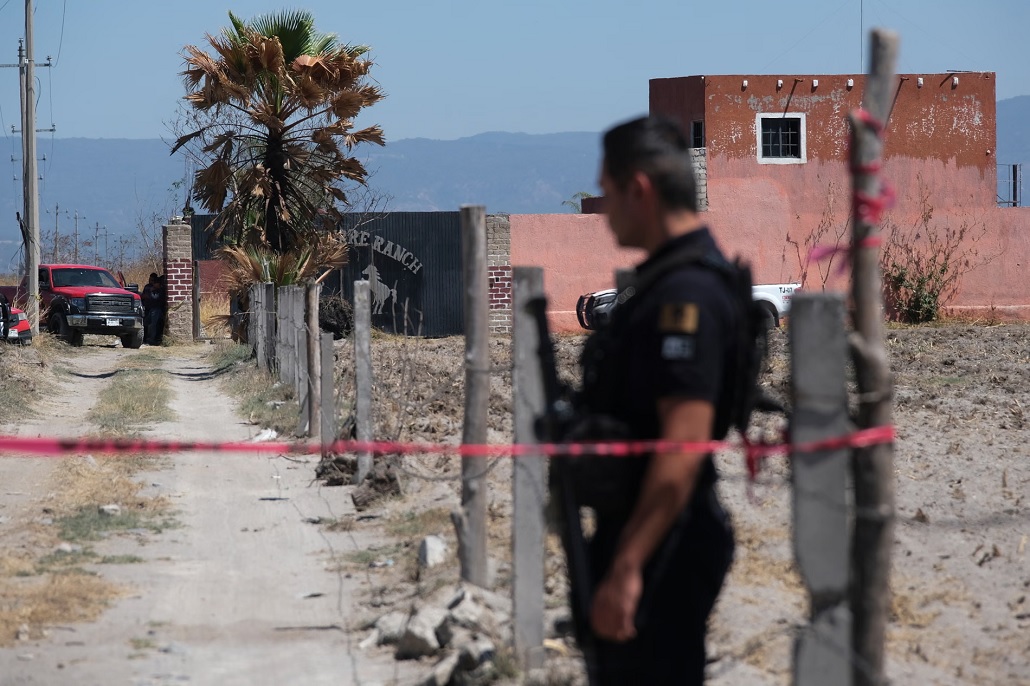
A police officer guards access to the ranch in Teuchitlán, Jalisco state, Mexico, on 11 March. Photograph: Alfredo Moya/AP
Territory battles and CJNG’s use of extreme violence have contributed to spikes in homicides, disappearances and mass graves in contested regions. The cartel’s presence also fuels corruption, undermines institutions and displaces civilians.
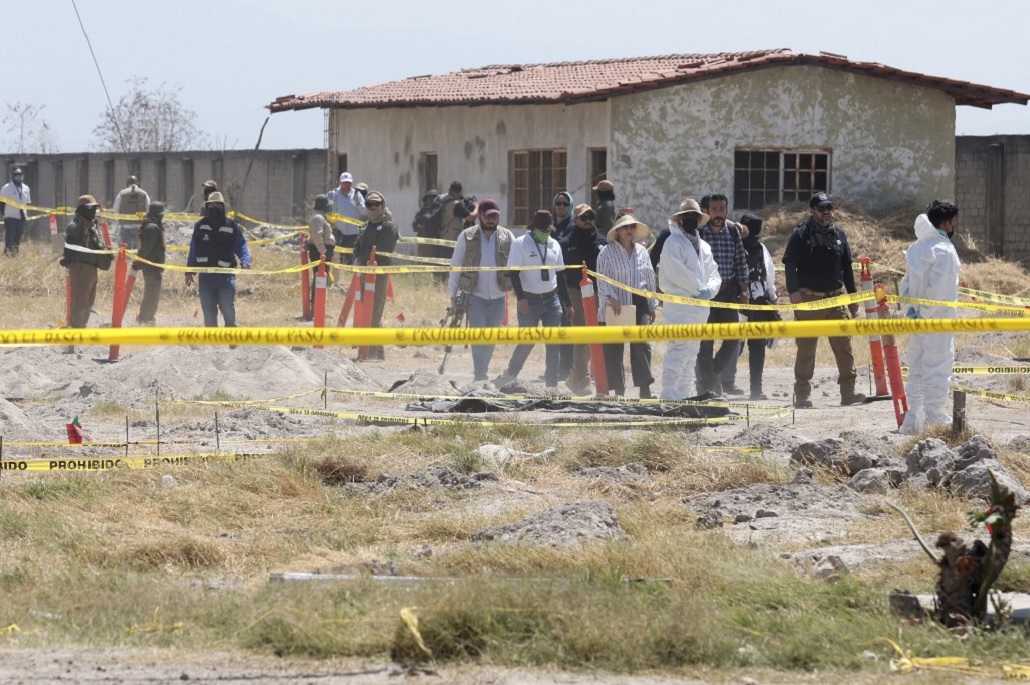
Mexico and the U.S. use a mix of arrests/extraditions, financial sanctions, and coordinated law-enforcement operations. The U.S. has increased pressure via indictments, sanctions and prosecutions of facilitators and family members. Still, arrests of lieutenants often lead to rapid reorganization rather than collapse.