Warning: Graphic content, readers’ discretion advised. This story contains a recollection of crime and can be triggering to some readers discretion advised.
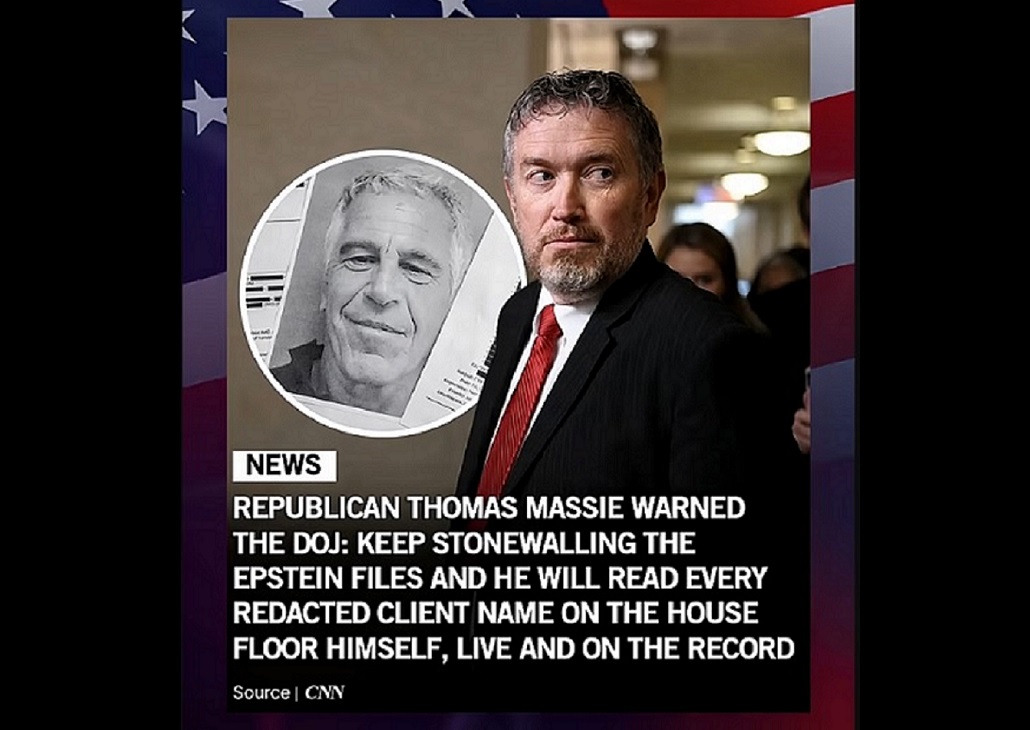
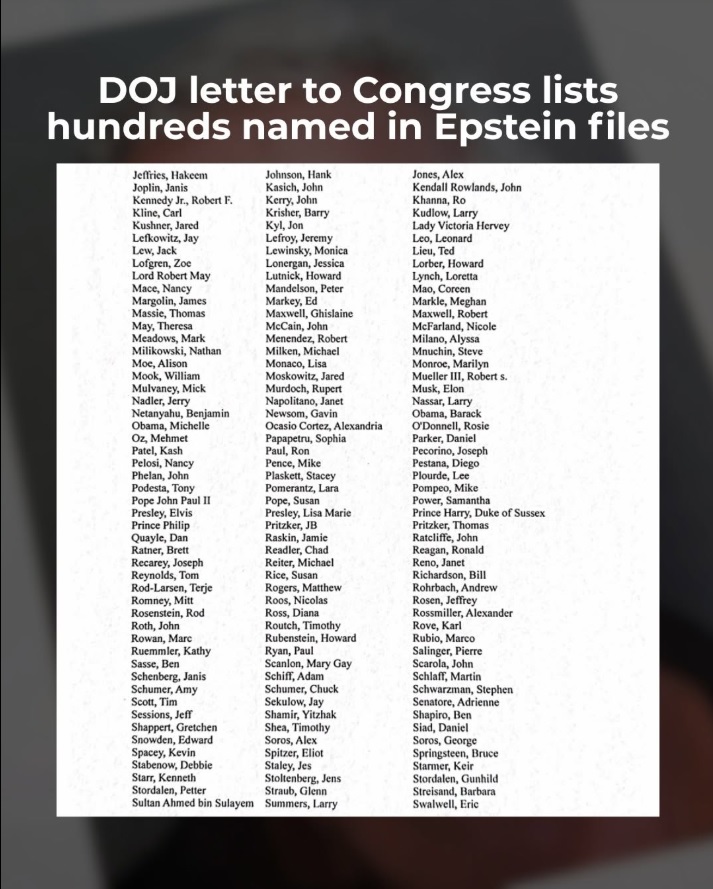
Yes, Representative Thomas Massie (R-KY) has stated that Department of Justice (DOJ) redactions will not prevent him from exposing and reading hidden names from Jeffrey Epstein’s files directly in Congress.
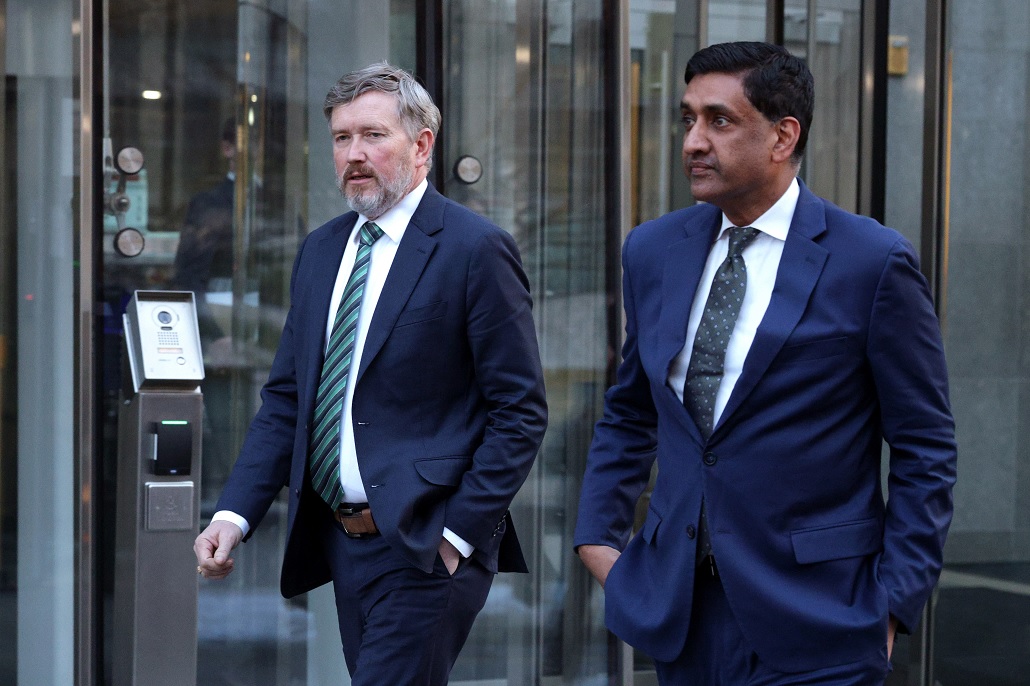
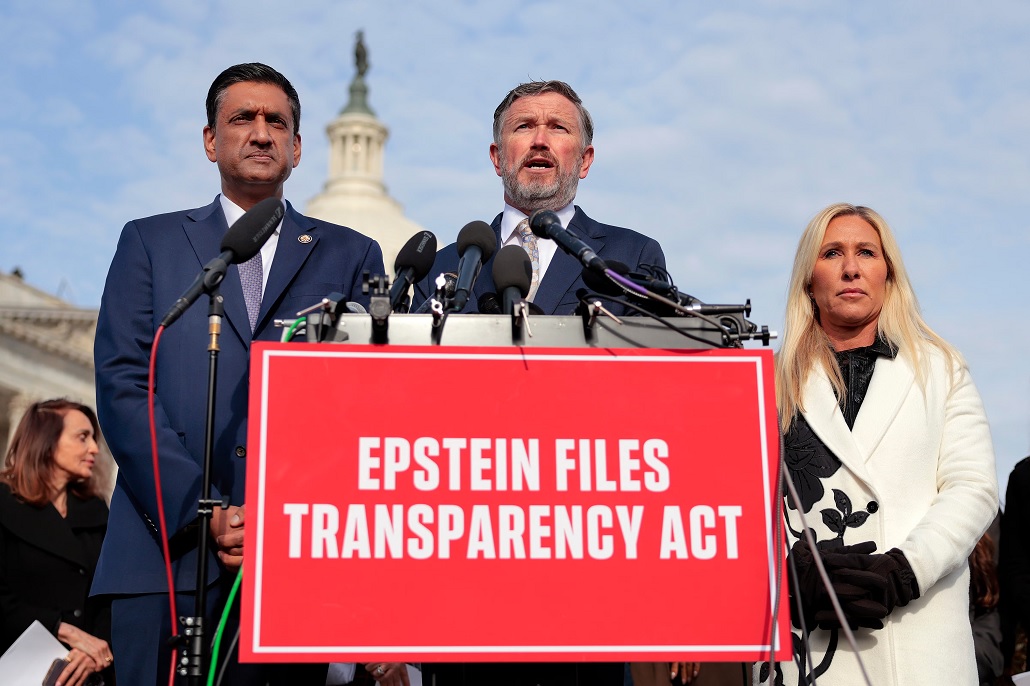
Alongside his Democratic colleague Ro Khanna, Massie accused the DOJ of illegally hiding the identities of influential individuals. This led the lawmakers to utilize their constitutional immunity to read the unredacted names directly on the House floor.
.
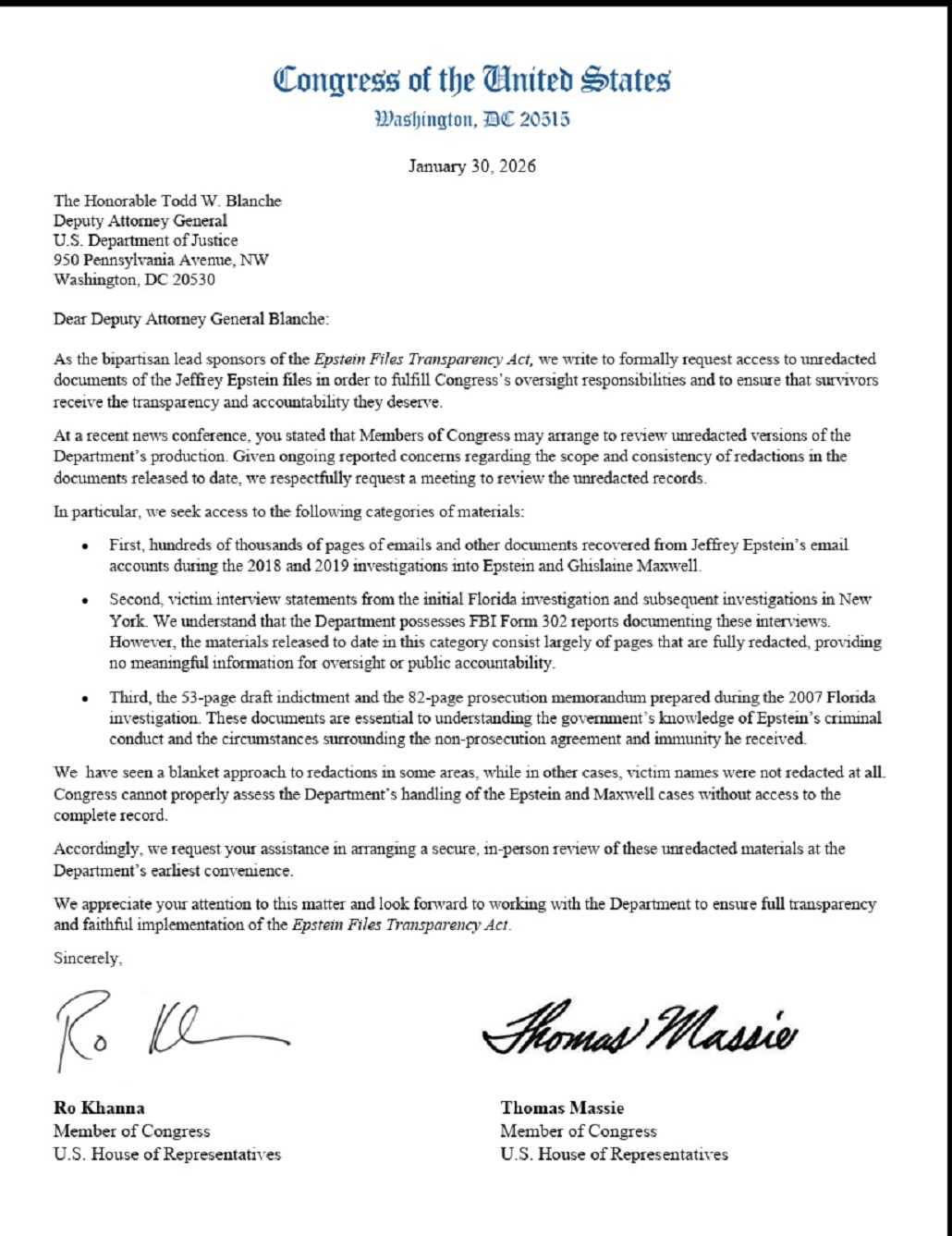
Epstein Files Transparency Act: Massie and Khanna spearheaded the legislation that forced the DOJ to turn over millions of pages of investigative material regarding Jeffrey Epstein.
Republican Rep. Thomas Massie of Kentucky and Democratic Rep. Ro Khanna of California formed a rare bipartisan partnership to spearhead the Epstein Files Transparency Act, pushing for the public release of unredacted Department of Justice documents regarding Jeffrey Epstein
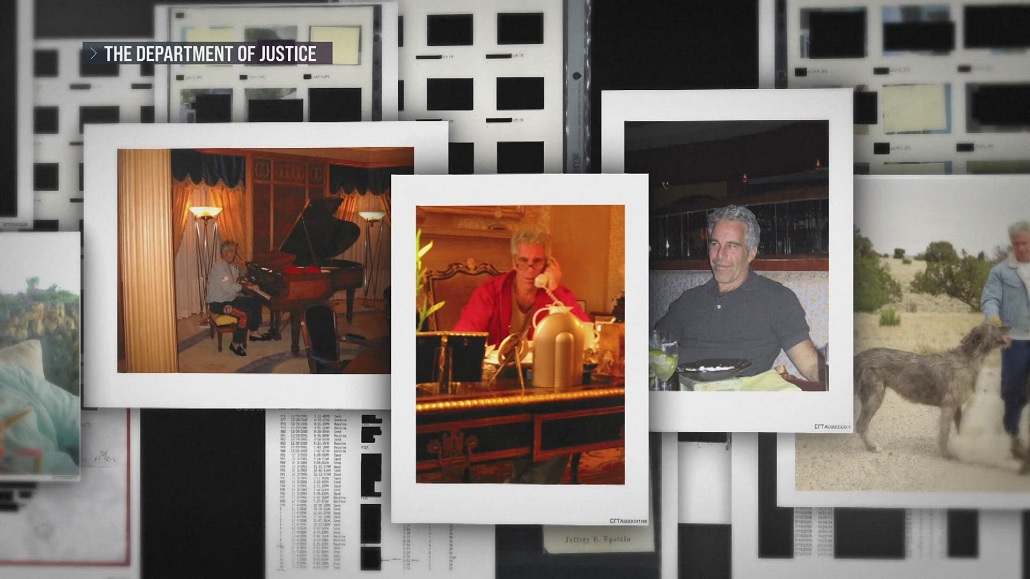
After reviewing the unredacted files at DOJ headquarters in February 2026, the politicians accused the agency of deliberately blacking out the names of powerful men without legal justification.
Massie emphasized that the DOJ’s redactions do not protect individuals from congressional oversight. Under the U.S. Constitution’s Speech or Debate Clause, members of Congress are legally protected from prosecution or civil lawsuits for revealing classified or redacted material during official proceedings.
As a direct result of bypassing the DOJ’s redactions, several prominent names appearing in the documents were read into the congressional record during February 2026:
Ro Khanna published the names of six men whom they discovered had been redacted by the DOJ without valid reasons: Sultan Ahmed bin Sulayem, Leslie Wexner, Salvatore Nuara, Zurab Mikeladze, Leonic Leonov, and Nicola Caputo.
Thomas Massie subsequently took to the House floor and specifically named three high-profile finance and retail figures, demanding the DOJ investigate them further: Leon Black (former CEO of Apollo Global Management), Jes Staley (former J.P. Morgan executive), and Leslie Wexner (founder of L Brands/Victoria’s Secret).
Following these events, Massie and Khanna have introduced follow-up legislation, the Epstein Files Transparency Act II, to completely block the DOJ from redacting similar information.
The deep dive into congressional immunity, the specific allegations, and the ongoing legislative battle surrounding the Jeffrey Epstein files involves several critical developments.
The Speech or Debate Clause: How Congressional Immunity Works.
The primary mechanism allowing Representative Thomas Massie and Representative Ro Khanna to reveal redacted names without fear of prosecution is the Speech or Debate Clause found in Article I, Section 6, Clause 1 of the U.S. Constitution.
Absolute Protection: The Supreme Court has interpreted this clause as an absolute shield from criminal prosecution or civil lawsuits for any
“legislative act”.
Scope of Legislative Acts: Protected activities are strictly defined as anything integral to the deliberative and communicative processes of Congress. This explicitly includes speaking or debating on the House or Senate floor, introducing bills, and entering materials into the official congressional record.
Bypassing the Executive Branch:
Even if the Department of Justice (DOJ) considers the unredacted information to be classified, highly sensitive, or subject to privacy exemptions, the executive branch cannot legally penalize a member of Congress for uttering those names during official legislative proceedings.
2. Specific Allegations and the Individuals Named
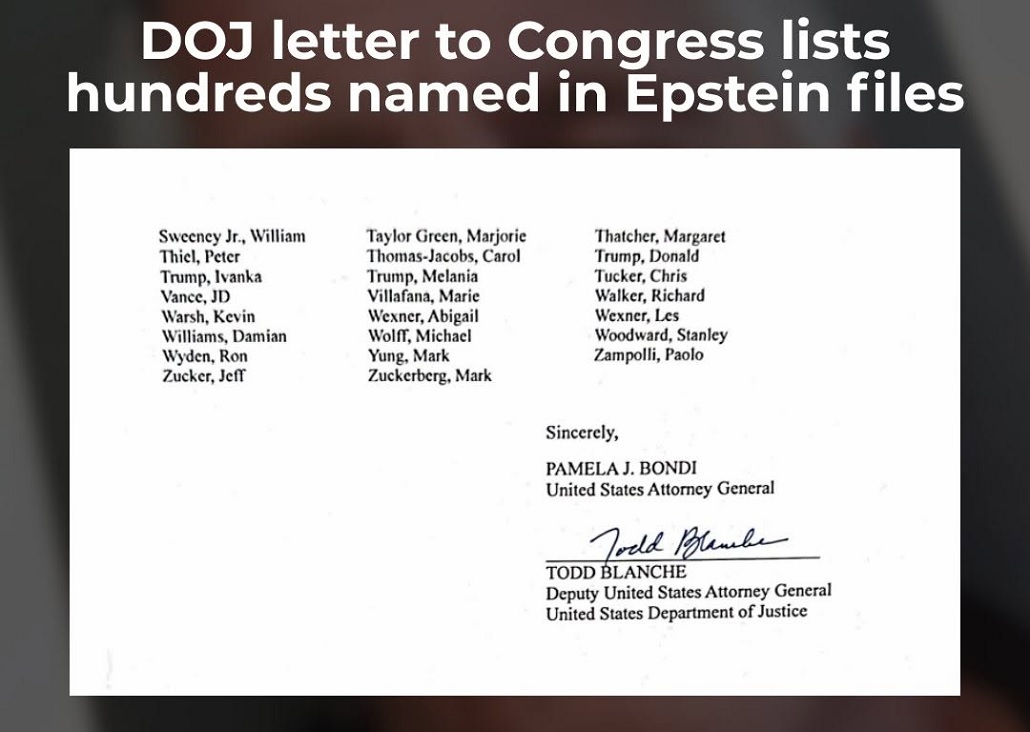
The lawmakers claimed that the DOJ under Attorney General Todd Blanche engaged in “botched redactions” and intentionally shielded wealthy public figures. The primary figures identified on the House floor and in public communications include:
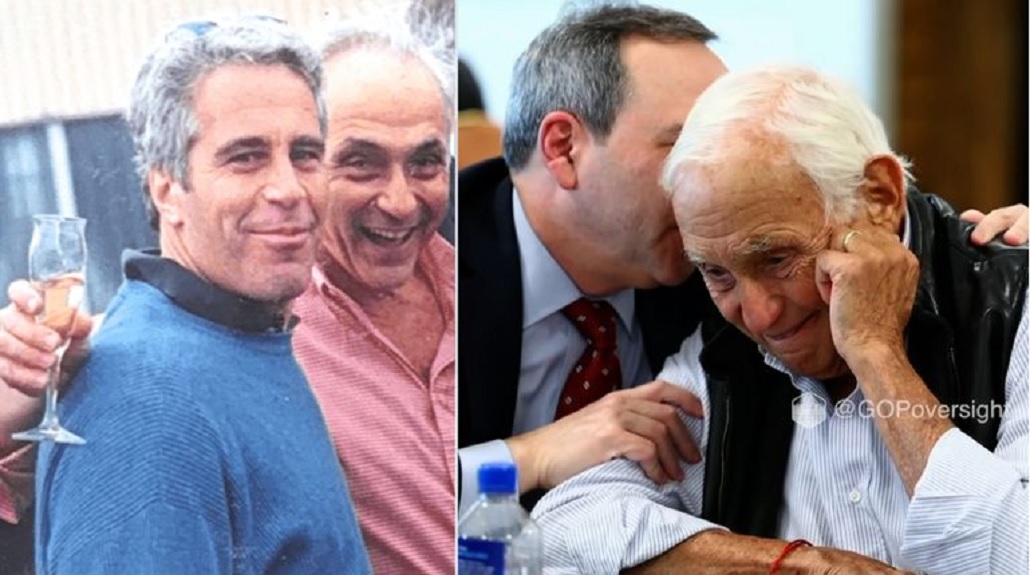
Leslie Wexner: The billionaire founder of L Brands (Victoria’s Secret), who was Epstein’s primary financial backer for decades and gave him sweeping power of attorney over his finances.
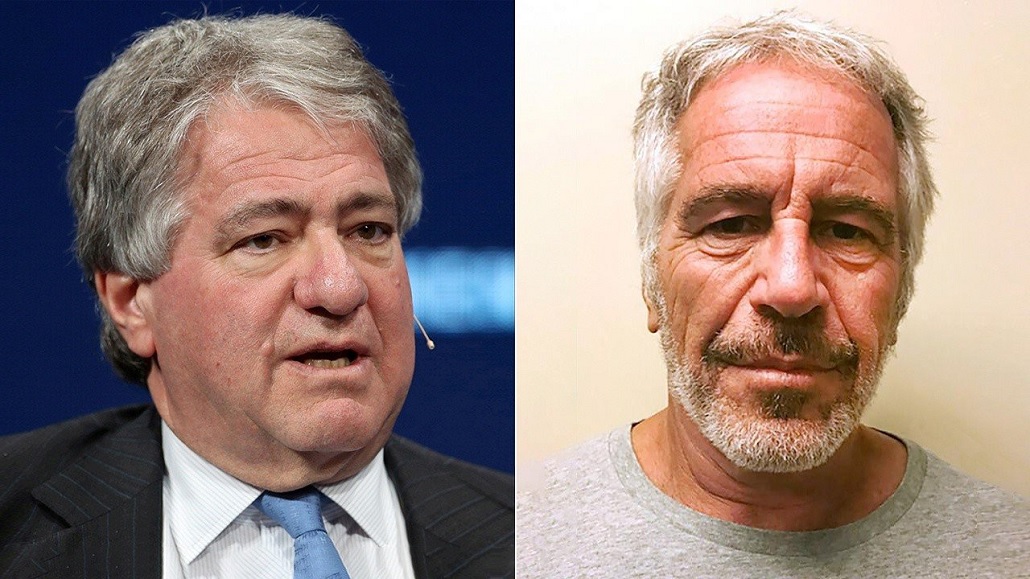
Leon Black: The former billionaire CEO of Apollo Global Management, who paid Epstein an estimated $158 million for tax and estate planning services years after Epstein’s 2008 solicitation conviction.
Sultan Ahmed bin Sulayem:
A prominent UAE billionaire businessman and port executive.
Other International and Corporate Entities: Salvatore Nuara, Zurab Mikeladze, Leonic Leonov, and Nicola Caputo were also identified as names the DOJ withheld without proper legal justification.
Lawmakers emphasized that these financial ties merited deeper criminal and sex-trafficking scrutiny than the DOJ or FBI had initially pursued.
The Epstein Files Transparency Act II (EFTA II)
Because the initial bill passed in late 2025 gave the DOJ a 30-day window to release documents, Massie and Khanna argued the agency actively defied the law by abusing redaction provisions to conceal high-level corruption. To counter this, they introduced the Epstein Files Transparency Act II. The new bill introduces several aggressive enforcement mechanisms:
Private Right of Action: Crucially, EFTA II gives state attorneys general, local prosecutors, members of Congress, and the victims themselves the legal standing to sue the U.S. Attorney General in federal court if records are unlawfully hidden or redacted.
Criminal Penalties: The bill subjects DOJ and FBI officials to federal criminal penalties if they are found to have knowingly concealed, withheld, or misrepresented data.
Victim Empowerment:
It guarantees survivors the right to obtain full, unredacted records of their own testimonies and FBI FD-302 investigative reports.
Stripping Executive Privilege: It explicitly blocks the DOJ from citing common-law or deliberative-process privileges to evade congressional oversight.
The bill has set a fast-track procedural clock, meaning if the House leadership does not bring it to the floor quickly, the sponsors intend to bypass leadership using a discharge petition.
The text of theEpstein Files Transparency Act II is available at this link